Weeknight Drunken Noodles in Under 30 Minutes
@dominickmkut656
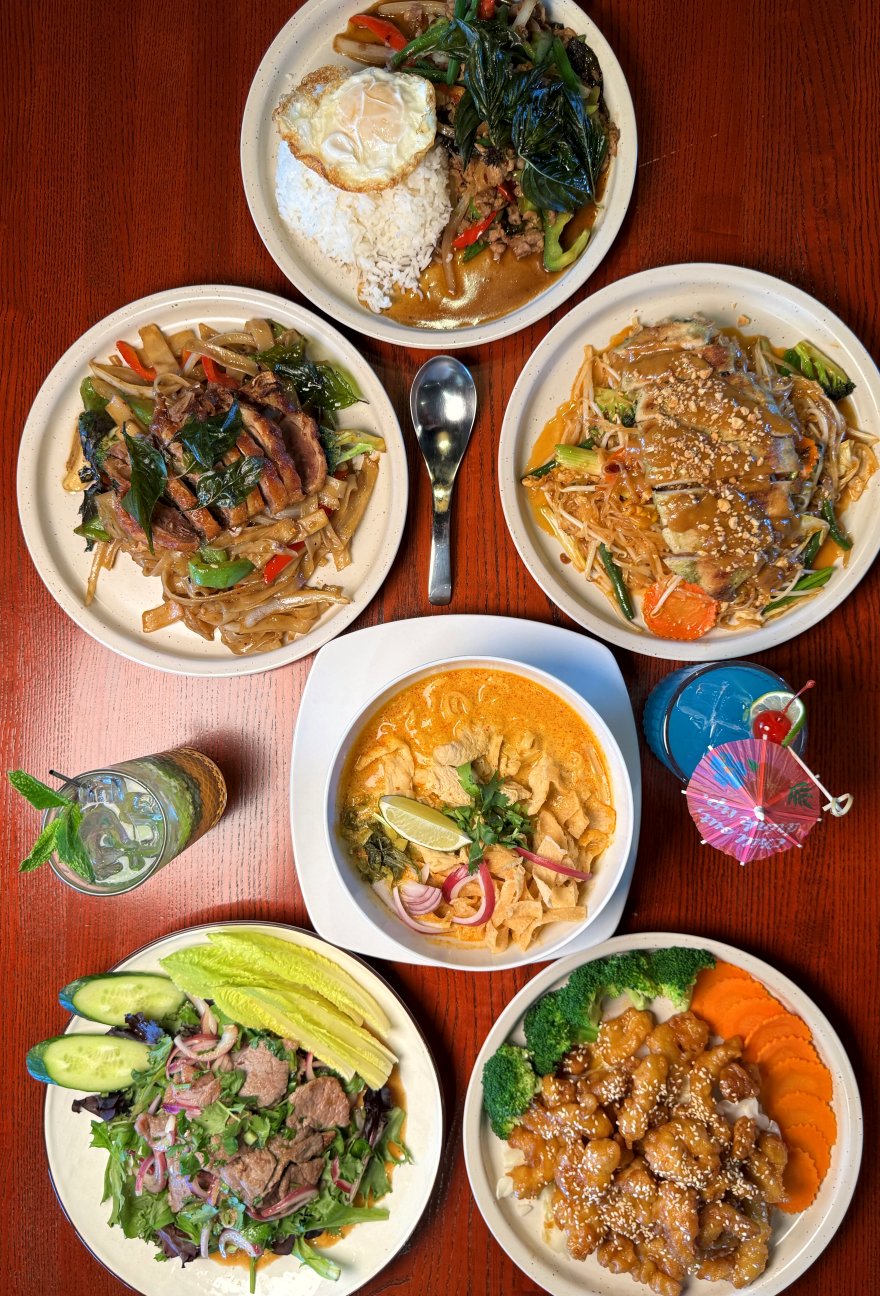
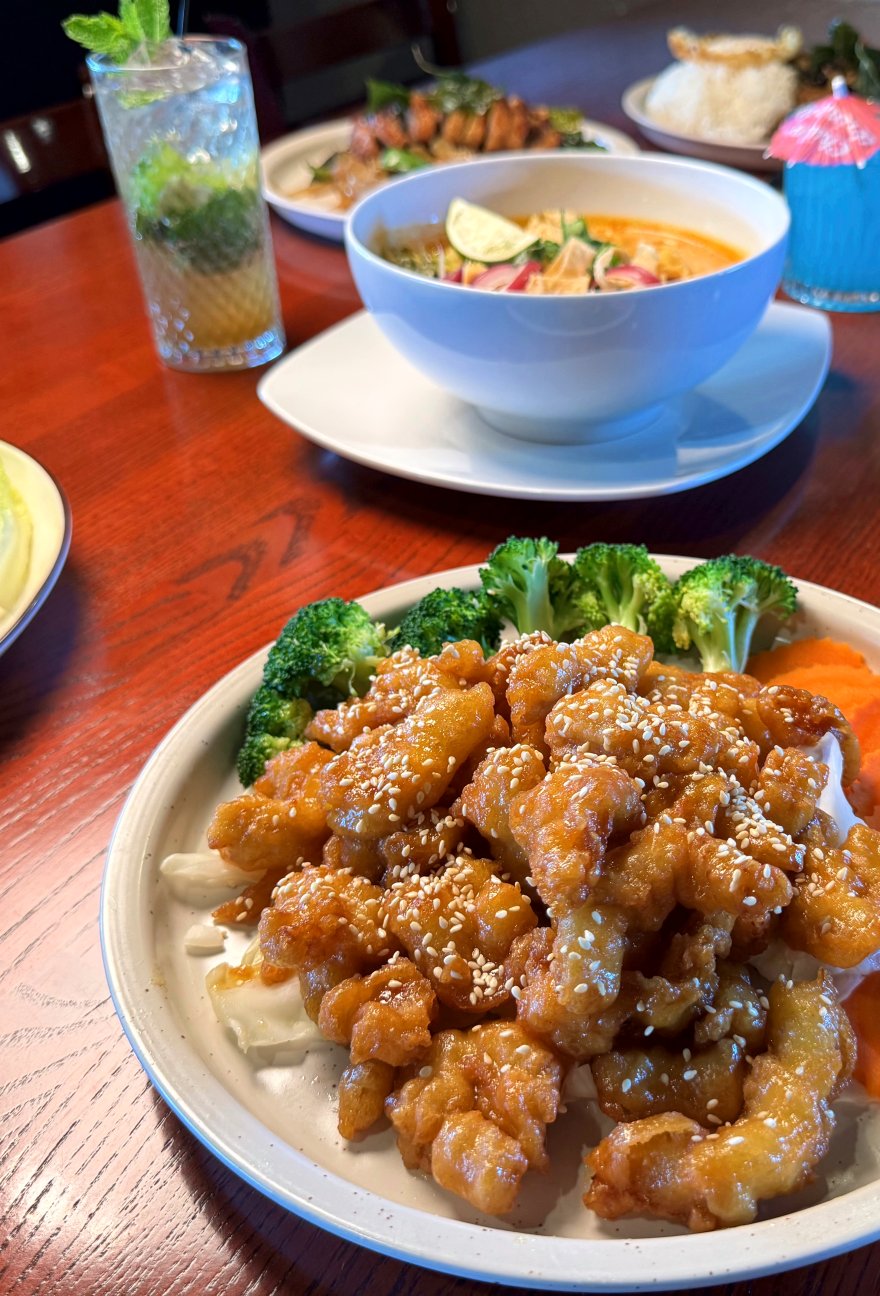
There are weeknight dinners you cook because they are sensible, and then there are weeknight dinners you cook because they rescue the evening. Drunken Noodles belong firmly in the second category. They are loud with garlic and chile, glossy with sauce, full of sweet basil, and satisfying in a way that makes takeout feel slightly underdressed. Better still, they can land on the table fast, even on a Tuesday when you are tired, hungry, and not especially interested in a sink full of dishes.
The first time I got serious about making Drunken Noodles at home, I made the same mistake many home cooks make. I treated them like a standard stir-fry and expected the pan to sort itself out. It did not. The noodles clumped, the vegetables overcooked, and the sauce sat on top instead of coating everything in a slick, spicy glaze. Once I started thinking of the dish less as a recipe and more as a sequence of quick decisions, it became a reliable weeknight meal. That is really the secret. The ingredients matter, but the timing matters more.
Drunken Noodles, or pad kee mao, are often associated with heat and boldness. The name invites a lot of theories, but whatever story you attach to it, the appeal is obvious on the plate. Wide rice noodles catch sauce beautifully. Thai basil cuts through the richness with its anise-like perfume. A little sugar rounds off the salty edges. Good heat wakes the whole dish up. It tastes restaurant-worthy because the contrasts are built in.
What makes a fast version actually work
A 30-minute dinner has to respect the clock. That means choosing ingredients that cook quickly, using a sauce with pantry staples, and organizing the cooking so nothing lingers in the pan longer than it should. If you shop with this dish in mind, you can keep the heavy lifting very small.
Fresh wide rice noodles are the easiest route if you can find them. They are often sold in the refrigerated section of Asian grocery stores, sometimes folded into sheets or cut into broad ribbons. They separate quickly and need only a brief loosening. Dried rice noodles also work, but they demand more attention. If they soak too long, they turn fragile and break in the pan. If they do not soak enough, they stay stiff and resist the sauce. For a true weeknight sprint, fresh noodles win every time.
Protein is where many recipes accidentally become 45-minute projects. Chicken thighs sliced thin cook fast and stay juicy. Shrimp are even quicker, often done in two or three minutes. Tofu is excellent if you press it in advance or buy a firmer style that needs less coaxing. Thinly sliced beef works too, though it can crowd the pan if you are not careful. My most dependable version uses chicken thighs because they tolerate a hot pan and a brief overstay better than chicken breast.
Vegetables should support the noodles, not turn the dish into a produce cleanout. Onion and bell pepper are classic because they soften quickly while keeping some bite. Chinese broccoli is traditional in many versions and brings a pleasant bitterness, but regular broccoli can be too slow unless you slice it small. Snow peas or green beans are faster substitutes. The point is not strict authenticity at all costs. The point is preserving the character of Drunken Noodles while making dinner possible at 7:15 p.m.
The ingredient lineup that keeps the flavor intact
You do not need a shopping list as long as your forearm. You need a few specific ingredients that each pull real weight.
- 8 to 10 ounces wide rice noodles, preferably fresh
- 8 to 12 ounces chicken thighs, shrimp, or firm tofu
- garlic, fresh chiles, onion, bell pepper, and Thai basil
- soy sauce, oyster sauce, fish sauce, and a small amount of sugar
- a neutral oil and, if needed, a splash of water to loosen the noodles
That looks compact because it is. The flavor comes from stacking salty, savory, sweet, and spicy notes in the right proportion. Soy sauce provides depth and color. Oyster sauce gives body and a subtle sweetness that helps the sauce cling. Fish sauce adds the sharp, savory edge that makes the dish taste complete rather than merely seasoned. Sugar is not there to make the noodles sweet. It is there to blunt the corners and keep the chile heat from reading as flat.
Thai basil deserves special mention. If you have only Italian basil, you can still make a good noodle dish, but it will not taste quite like Drunken Noodles. Thai basil has a firmer structure and a distinct licorice note that survives the heat of the pan. It changes the aroma of the whole dish in the last thirty seconds of cooking. That final toss, when the basil wilts and the steam carries it up, is one of the best moments in a quick dinner.
As for chiles, this is where judgment matters. Bird’s eye chiles are traditional in many kitchens and they bring real fire. One may be enough for some people. Three or four will please those who want the dish to bite back. If you are cooking for a mixed table, start modestly and offer sliced chiles or chile vinegar at the end. It is much easier to make a plate hotter than to rescue one that tastes like punishment.
The sauce is small, but it controls the whole pan
A common problem with rushed noodle dishes is a sauce that either disappears or floods the pan. You want just enough liquid to season and gloss the noodles, not enough to simmer them. For a standard dinner serving of about two generous portions or three lighter ones, a practical starting point is roughly two tablespoons soy sauce, one tablespoon oyster sauce, one to two teaspoons fish sauce, one to two teaspoons sugar, and a tablespoon or two of water. That is not law. It is a frame.
If your soy sauce runs salty, hold back a little and adjust after tossing. If your oyster sauce is particularly sweet, ease off the sugar. If you like a darker, more caramelized look, a few drops of dark soy can help, though it is optional. The important part is mixing the sauce before you start cooking. Once the pan is hot, there is no time to fumble with bottle caps.
I learned this the irritating way, standing over a smoking skillet while trying to open fish sauce with one hand and separate sticky noodles with the other. Since then, every bottle gets used before the heat goes on. The dish became calmer immediately.
The pan matters more than the recipe card
If your pan is too small, Drunken Noodles become steamed noodles. That does not mean you need a restaurant wok burner. It means you need enough surface area for ingredients to hit heat directly. A large wok is ideal. A wide skillet works well too, especially on home stoves that struggle to keep a wok evenly hot.
Cook in batches if necessary. This is not a glamorous tip, but it is the difference between browned, savory bits and a watery tangle. If you crowd the pan with protein, vegetables, and noodles all at once, moisture builds faster than it can evaporate. The result is gray chicken, soft peppers, and sauce that tastes diluted.
Heat should be assertive. Not reckless, but confident. You want the garlic to bloom quickly, the onion to blister at the edges, and the noodles to catch in spots without burning. Those slightly charred areas give the dish its stir-fried character. They are not decorative. They are flavor.
A 30-minute rhythm you can trust
The smartest way to cook this dish quickly is to treat the prep as part of the cooking, not a separate event. Put a pot or kettle on if you need to soak dried noodles. Slice the protein thin. Mix the sauce in a bowl or measuring cup. Tear the basil from the stems. Once the pan goes on the burner, the dish should move without pause.
- Loosen or soak the noodles according to their type, and mix the sauce while the pan heats.
- Sear the protein briefly, then remove it if the pan looks crowded.
- Stir-fry garlic, chiles, onion, and bell pepper until fragrant and just tender.
- Add noodles and sauce, toss until glossy, then return the protein.
- Finish with Thai basil and serve immediately.
Those five steps happen quickly, often in less than ten minutes of actual pan time. The rest of the half hour is prep, water heating, and the small transitions between tasks. With fresh noodles and shrimp, I have finished even faster. With dried noodles and chicken, the timing tends to hover around the full 30 minutes. Both are realistic.
One note on the noodles themselves: if you are using fresh rice noodles straight from the refrigerator, they may seem stiff or stuck together. Do not rip them apart cold. Warm them gently, either by microwaving for a few seconds or by letting them sit near the stove while you prep. Once softened, separate them with oiled fingers. If they still resist, a splash of warm water helps. Force is the wrong tool here.
The case for chicken thighs over chicken breast
Chicken breast has speed and convenience on its side, but thighs are more forgiving. In a fast stir-fry, that matters. Thin slices of thigh meat stay tender, pick up browning quickly, and hold their own against spicy sauce. Chicken breast can work well if sliced very thinly across the grain and cooked in a hot pan for a short time, but the margin for error is narrower.
If you use shrimp, cook them just until they turn pink and start to curl, then get them out. They can go from perfect to rubbery before you have finished your first toss of noodles. Tofu requires a different kind of patience. It rewards a dry surface and enough space to brown. If weeknight speed is your priority, buy a firm tofu that is not waterlogged and press it while you prep the rest. Ten minutes under a clean towel and a heavy skillet is enough to improve the texture.
Beef has excellent flavor in this dish, especially if you use a tender cut sliced very thin. Flank steak can work, though it benefits from partial freezing before slicing. That extra step makes it less weeknight-friendly unless you planned ahead.
Heat, sweetness, and salt need to stay in balance
Drunken Noodles should be bold, but bold is not the same as harsh. A dish that tastes only of soy sauce and chile misses the point. You want a layered effect where heat lands first, then savory depth, then the basil lifts everything. A little sweetness sits underneath and keeps the edges rounded.
Taste once at the end, even if you think you know your sauce by heart. Noodles absorb seasoning differently from batch to batch. Some brands are thirstier. Some fresh noodles release more starch and soften the impact of the sauce. If the dish tastes flat, it may need fish sauce rather than soy. If it tastes aggressive, a pinch of sugar or a spoonful of water can restore balance. If it feels heavy, more basil and a squeeze of lime can brighten it, though lime is not mandatory.
This is where experience gradually replaces strict measuring. After a few rounds, you start to recognize the smell of a sauce that needs a bit more sweetness, or the look of noodles that want another splash of water before they can loosen and gloss properly.
The mistakes that slow dinner down
Most weeknight failures come from one of three things: slow prep, overcrowding, or noodles that were not handled correctly. Slow prep is avoidable if you set up the sauce first and keep the cutting simple. Overcrowding is solved either by a larger pan or by removing the protein after searing and returning it later. Noodle problems take a bit more feel, but they are manageable.
Fresh noodles that are cold and compact will tear if you bully them. Dried noodles that were soaked to softness before they hit the pan can turn gummy in seconds. Aim for flexibility with some resilience. They should bend easily but still feel slightly underdone before stir-frying. They finish in the sauce.
https://angeloscac163.iamarrows.com/how-to-get-smoky-wok-flavor-in-drunken-noodles-1Another mistake is trying to make the dish healthier by piling in too many vegetables. I understand the impulse, but this is one of those cases where restraint improves the meal. Too many vegetables cool the pan and release water, which weakens the sauce and muddies the texture. Better to serve a quick cucumber salad or plain steamed greens alongside if you want a fuller plate.
Smart substitutions when the pantry is imperfect
Real kitchens are rarely stocked with every ideal ingredient. Drunken Noodles tolerate sensible substitutions better than many people think.
If you cannot find wide fresh rice noodles, use dried wide rice noodles and soak them carefully. If Thai basil is unavailable, regular basil is acceptable, especially if dinner would otherwise become a delivery order. If you do not keep oyster sauce, vegetarian mushroom-based stir-fry sauces can give some of the same body, though the flavor will shift slightly. If fish sauce is off the table, a little extra soy sauce can carry the dish, but you will miss some of the high savory notes.
What I would not substitute casually is the noodle shape. Very thin rice vermicelli or spaghetti can be tasty, but they create a different experience. Drunken Noodles are at their best when broad noodles fold over themselves, catch charred spots, and hold pockets of sauce. The width is not cosmetic. It affects the bite.
Why home-cooked Drunken Noodles can be better than takeout
Good restaurant versions have obvious advantages: intense heat, giant burners, and cooks who make the dish repeatedly all night. Yet home cooking has a few strengths of its own. You control the basil, the chile level, the amount of protein, and how crisp the vegetables remain. You also avoid the common takeout problem of noodles steaming themselves soft on the ride home.
Served straight from the pan, Drunken Noodles have a liveliness that rarely survives a clamshell container. The basil still smells fresh. The edges of the noodles still have chew. The onions still hold shape. That immediacy is one reason the dish rewards making at home, even if your stove lacks restaurant muscle.
It is also a surprisingly economical dinner. A package of noodles, a small bunch of basil, a few condiments, and one protein can feed two to three people generously. If you already stock soy sauce, fish sauce, and sugar, the incremental cost is low. That matters on weeknights just as much as flavor does.
Serving, leftovers, and the reality of a busy night
This is not a dish that wants to sit around. Serve it the moment the basil wilts. If you like a sharper finish, add sliced fresh chiles or a wedge of lime at the table. A cold drink and a simple crunchy side, even plain cucumber slices with a little salt, work well against the heat.
Leftovers are still good, but they lose some distinction by the next day. Rice noodles tend to firm up in the refrigerator and can break if reheated carelessly. The best approach is a hot skillet and a tablespoon or two of water to rehydrate the sauce. Microwaving works in a pinch, though it softens the vegetables more than I prefer.
If you want to build this into your regular weeknight rotation, the best trick is partial prep. Mix the sauce in the morning or the night before. Slice the onion and bell pepper ahead. Wash and dry the basil. If the chicken is already cut and waiting, dinner becomes almost absurdly fast. On the busiest nights, those small acts of foresight are worth more than any clever kitchen gadget.
The version I come back to most often
The Drunken Noodles I make most often are simple: fresh wide rice noodles, thinly sliced chicken thighs, onion, red bell pepper, a generous amount of garlic, two bird’s eye chiles, Thai basil, and a sauce mixed from soy, oyster sauce, fish sauce, sugar, and a splash of water. It is not fussy, and it does not pretend weeknight cooking should be a performance. It is just a dish with enough personality to make an ordinary evening feel salvaged.
That, ultimately, is why Drunken Noodles endure as a home favorite. They ask for attention, but not much time. They deliver drama without demanding an all-day project. When cooked with a hot pan, a little restraint, and a decent sense of timing, they taste like the sort of dinner you planned carefully, even if you started thinking about it only when the day was already getting away from you.
A good weeknight meal should do more than fill the plate. It should shift the mood in the room. Drunken Noodles do that. They arrive fragrant, glossy, and just unruly enough to feel exciting. And on a long weekday, that counts for a lot.
Nakhon Luang Thai Kitchen
Address: 805 Village Center Dr, Colorado Springs, CO 80919
Phone number: +17195315175
FAQ About Drunken Noodles
What makes it drunken noodles?
Drunken noodles, or Pad Kee Mao, get their name from the Thai word khi mao (meaning "drunkard"). They contain no alcohol. The name comes from the idea that the dish is a popular late-night meal to cure a hangover or a great food to eat with a cold beer.
What is the difference between pad see ew and drunken noodles?
While both Pad See Ew and Drunken Noodles use the same wide rice noodles, Pad See Ew is a mild, sweet-savory dish made with dark soy sauce and Chinese broccoli, whereas Drunken Noodles (Pad Kee Mao) are fiery, garlicky, and herbaceous with fresh chilies and Thai basil.
What are traditional drunken noodles?
Traditional drunken noodles, known as Pad Kee Mao in Thai, are a fiery, savory street food stir-fry made with wide flat rice noodles, fresh garlic, lots of hot chilies, meat or tofu, and fragrant holy basil. Despite the name, they contain no alcohol; the dish is traditionally eaten late at night or as a hangover cure because the intense spice helps clear the head.