Jamaican Food in Denver: A Flavorful Dining Guide
@dominickmkut656
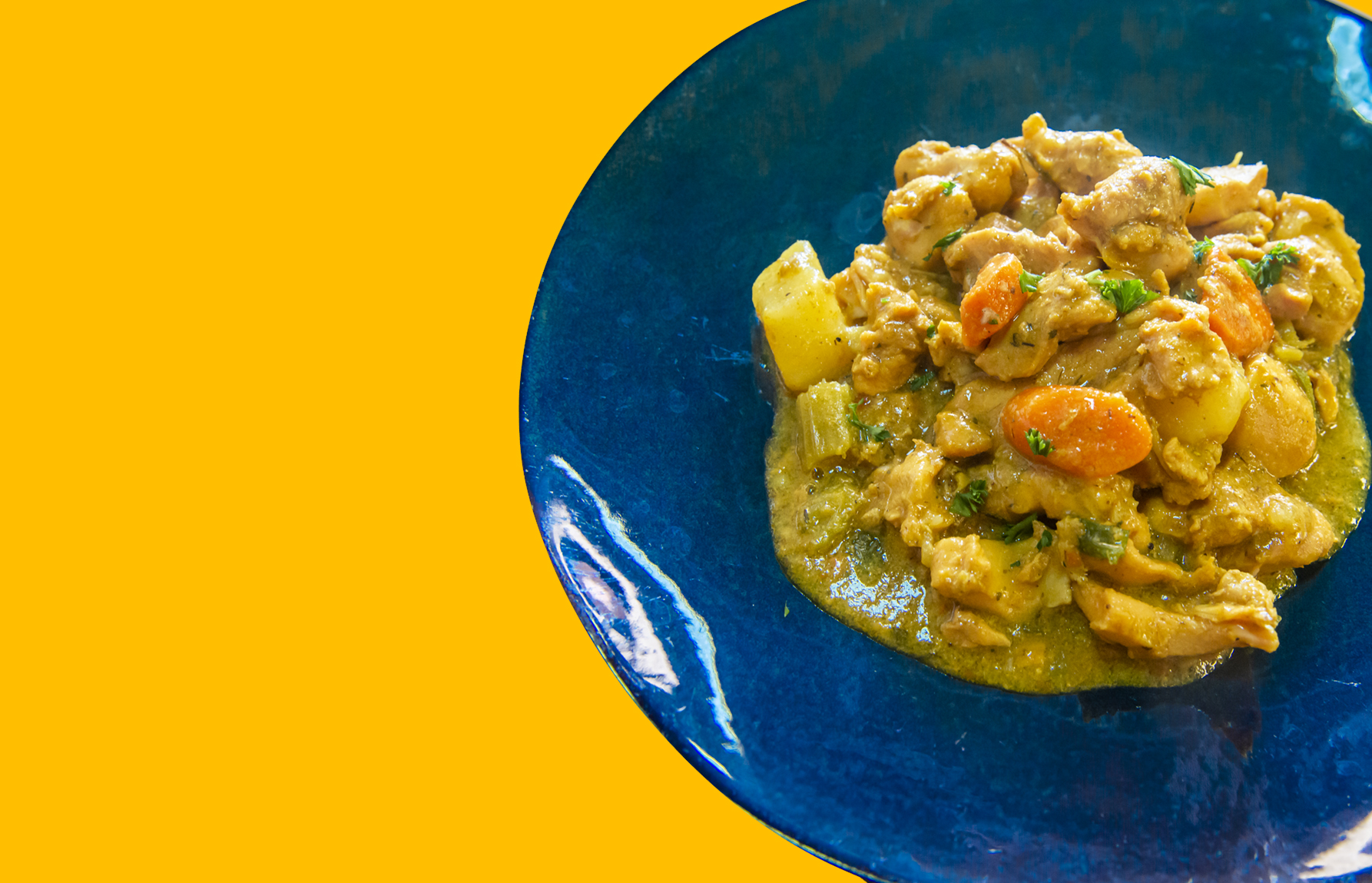
Denver is not the first American city people associate with Jamaican cooking, and that is part of what makes the search so rewarding. You do not stumble into this cuisine on every block the way you might with tacos, burgers, or pho. When you do find a kitchen that takes the food seriously, the payoff is memorable: deep spice, slow-cooked meats, bright sauces, and a style of hospitality that can turn a simple lunch into the best meal of your week.
Anyone looking for jamaican food denver options should begin with the right expectation. This is not a market crowded with dozens of interchangeable restaurants. It is a smaller scene, often powered by owner-operated kitchens, food trucks, lunch counters, and restaurants that may blend Jamaican staples with broader Caribbean cooking. That matters, because the best way to eat well is not to chase a perfect fantasy of island dining transplanted wholesale into Colorado. It is to know what excellent Jamaican food should taste like, understand how Denver restaurants adapt to local supply and demand, and order with enough confidence to spot the places that are cooking from the heart rather than from a trend.
What makes Jamaican food so compelling
Jamaican cuisine rewards patience and backbone. It is not delicate food, though it can be subtle. It is built on marinades, allspice, thyme, scallions, ginger, Scotch bonnet heat, browning sauce, coconut, and long braises that turn tough cuts rich and tender. Even a quick meal often carries the flavor memory of something that took hours to prepare.
Jerk is the dish most diners know first, but the category is often misunderstood. Real jerk is not just “spicy grilled chicken.” It is a seasoning tradition with smoke, allspice, chile heat, and a savory depth that should hit before the burn does. Oxtail, another favorite, should arrive glossy and yielding, with meat that nearly slips from the bone. Curry goat should taste earthy and rounded, not like generic yellow curry powder splashed over lamb. Rice and peas, usually cooked with coconut milk and kidney beans, should be fragrant enough to deserve attention on their own plate.
That is the baseline. Once you know it, a Denver dining room becomes easier to read. You can tell when the cabbage has been cooked just enough to stay sweet, when the plantains are caramelized instead of greasy, when the patty crust shatters properly, and when the kitchen understands that heat should support flavor rather than flatten it.
Denver’s Jamaican scene, small but worth seeking out
The Denver area tends to support cuisines in waves. Some become citywide staples. Others thrive in smaller pockets, sustained by community, word https://telegra.ph/Where-to-Find-Traditional-Jamaican-Food-in-Denver-09-24 of mouth, and regulars who know exactly when to show up. Jamaican food falls into the second group. You may find a dedicated Jamaican restaurant, a Caribbean cafe with several Jamaican dishes done well, or a food truck that draws a line on weekends and disappears from your usual route during the week.
This has a few practical consequences. Hours can be tighter than diners expect. Sellouts happen, especially with braised dishes. Menus may be narrower on weekdays and broader on weekends. A place might make terrific jerk chicken but only offer soup, escovitch fish, or ackee and saltfish on certain days. If you walk in at 7:45 hoping for oxtail at a small kitchen that closes at 8, you may be too late.
That unpredictability is not a flaw. In many cases, it is the sign of a serious operation. Small restaurants that cook from scratch rarely have infinite inventory. In Denver, where customer volume for Jamaican food can be uneven compared with more established cuisines, many owners strike a careful balance between offering enough variety and avoiding waste. For the diner, that means planning helps.
The dishes worth understanding before you order
A good Jamaican menu looks straightforward at first glance, but every dish says something about the kitchen. If you are new to the cuisine, a few choices can tell you almost everything you need to know.
- Jerk chicken should have clear smoke, spice, and herbal character, not just hot sauce and grill marks.
- Oxtail should be deeply braised, rich but not oily, with gravy that coats rice beautifully.
- Curry goat should taste layered and savory, with tender meat and measured heat.
- Beef patties should have flaky pastry and assertive filling, making them ideal for a quick first visit.
- Rice and peas, cabbage, and plantains are not afterthoughts. Strong sides usually signal a strong kitchen.
If I have never eaten at a Jamaican restaurant before, I usually watch what happens to the sides. Anyone can season a chicken quarter aggressively. It takes care and repetition to get the whole plate right. Dry rice, under-salted cabbage, or pale plantains often point to a kitchen that is leaning too hard on the main protein to carry the meal. When every component feels intentional, that is the place to revisit.
How Denver changes the dining experience
Jamaican food in Denver inevitably reflects its setting. Altitude changes cooking in subtle ways. Supply chains shape what fish, produce, and specialty ingredients are practical. Customer habits matter too. In coastal cities with large Caribbean communities, restaurants can count on diners who arrive already knowing the difference between brown stew chicken and jerk. In Denver, many customers need a little guidance, and menus sometimes adapt around that.
This adaptation can be a good thing when it broadens access without diluting the food. A concise menu can help a kitchen focus. A lunch bowl format can introduce new diners to jerk or curry at an easier price point. Even spice adjustments can make sense if the restaurant offers an authentic heat level on request. Problems start when a menu sands off every edge. If the jerk tastes like sweet barbecue seasoning, or every protein comes under the same generic “island sauce,” the food has drifted away from its roots.
Denver diners also tend to value casual service, takeout, and quick lunches. Jamaican food actually suits that rhythm better than many people realize. Patties travel well. Jerk chicken and rice hold up nicely. Braised dishes often taste even better after a short rest. Some of the best meals in this category are not white-tablecloth events. They are packed to-go containers carried home carefully so the gravy does not spill in the car.
What to look for on the menu, and what to ask
Ordering Jamaican food well is not complicated, but it does help to ask a couple of direct questions. First, ask what is especially good that day. Small kitchens often have a dish that is particularly fresh, recently finished, or selling fast for a reason. Second, ask about spice level in practical terms. “Spicy” means very different things from one restaurant to another, and Denver staff sometimes soften their warnings because many local diners overestimate their chile tolerance.
If the menu includes house-made drinks, pay attention. Sorrel, ginger beer, and fruit punches can say a lot about whether the restaurant is treating the experience as a full cuisine rather than a few headline items. Desserts matter too. Rum cake or sweet potato pudding, if available, often come from a more personal part of the menu.
I also pay attention to how a restaurant handles substitutions. Some flexibility is normal, especially with lunch specials, but a kitchen that strongly encourages you to take the dish as designed is often worth trusting. Jamaican plates are built around balance. Rice and peas are not random filler next to curry goat. The starch absorbs the sauce, the beans add texture, the coconut softens the heat, and a little cabbage cuts the richness. Swap too much around and the meal loses structure.
A practical strategy for finding the best Jamaican food in Denver
Because the market is relatively small, finding excellent jamaican food denver options is more like building a short list than choosing from a long one. Search results alone will not tell you enough. Photos can be misleading, menus change, and some of the best places are busiest when they are least active online.
A better approach is to combine a little research with smart timing.
- Go at lunch first if you are trying a new place. Volume is often higher, and the food is freshest.
- Check the restaurant’s own social pages the same day for specials, sellouts, or limited hours.
- Order one flagship dish and one side you can judge, rather than overloading your first visit.
- If a place offers weekend-only items, return for them instead of expecting the full menu midweek.
- When you find a kitchen you trust, ask regulars what they order, then follow that lead.
This is one of those cuisines where repeat visits matter. A single meal can tell you whether the food is competent. Two or three visits tell you whether the restaurant has a point of view.
The role of spice, and why “hot” is not the whole story
A lot of diners flatten Jamaican cuisine into a test of heat. That misses the point. Scotch bonnet peppers matter, but their best use is aromatic as much as fiery. They bring fruit, perfume, and a distinctive brightness that cuts through rich meats and starchy sides. A dish that is merely punishing is often an unbalanced one.
The better Denver kitchens understand this. Their jerk may start with smoke and allspice before the chile rises. Their curry may build gently and linger rather than explode. Even escovitch style preparations, which can be sharp and peppery, should remain vivid and composed instead of harsh.
If you enjoy spicy food, tell the staff you want authentic heat, but also ask what dish carries the best flavor profile. Sometimes the best choice is not the hottest one. I have had far more memorable curry goat than reckless jerk, and I would rather eat a properly seasoned medium-hot plate than a scorching one-note dish any day.
Beyond jerk chicken, the dishes regulars chase
Jerk gets the headlines because it is instantly recognizable and easy to market. The regulars, though, often chase the slower dishes. Oxtail is the obvious example, partly because it is expensive and time-consuming to make well. A restaurant that commits to it is usually serious. When done right, the gravy alone justifies the order.
Brown stew chicken is another underappreciated standard. It lacks the swagger of jerk, but a good version shows discipline. The chicken should be tender, the sauce dark and savory, with sweetness from caramelized aromatics and enough acidity to keep the dish alive. Curry goat occupies a similar place. It can reveal whether the kitchen understands depth, because curry that sits flat on the palate has nowhere to hide.
Then there are patties. In many cities, patties are the gateway food for Jamaican cooking, cheap enough for a casual snack and portable enough for lunch on the run. In Denver, a good patty is especially valuable because it lets you gauge the kitchen with low commitment. The pastry should flake. The filling should taste assertive, not timid. If the patty feels mass-produced and the filling bland, I would not expect miracles from the rest of the menu.
Side dishes are the real test of care
Every experienced diner has a category-specific tell. For barbecue, it might be beans or slaw. For ramen, the egg. For Jamaican food, it is often the plate around the protein.
Rice and peas should be separate, moist, and fragrant, not clumped or dry. Cabbage should retain a little bite and sweetness. Plantains should be soft inside, caramelized at the edges, and never cold. Macaroni and cheese, where offered, should feel like actual comfort food rather than a generic catering pan scoop.
These details matter because they are where shortcuts show first. A kitchen may marinate its jerk thoughtfully, then neglect the rest. Or it may braise beautiful oxtail but rely on tired sides prepared too far ahead. The strongest restaurants respect the whole plate. That respect is especially important in Denver, where some customers are trying the cuisine for the first time and may not realize the sides are part of the dish’s architecture.
Takeout, catering, and the foods that travel best
Jamaican food is unusually friendly to takeout. Braises stay warm. Rice holds structure. Grilled meats remain flavorful even after a short drive. That makes the cuisine a smart choice for office lunches, family dinners, and casual gatherings. In fact, some Denver restaurants in this category may shine more in takeout and catering than in dine-in ambiance.
If you are ordering for a group, think in terms of contrast. One smoky item, one braised item, plenty of rice and peas, cabbage, and plantains, perhaps patties for starters if available. That gives people a broad look at the cuisine without asking the kitchen to overcomplicate things. It also respects how these restaurants often operate best, through focused production rather than sprawling custom orders.
Catering can be especially strong because Jamaican flavors scale well. A tray of curry goat or brown stew chicken tends to hold quality better than many cuisines that depend on last-second frying or delicate plating. The trade-off is lead time. The good spots usually need it, and you should give it.
Price, value, and what a fair plate looks like
Denver is not a cheap restaurant city anymore, and Jamaican food reflects that reality. Oxtail in particular has become expensive nationwide, partly because the cut is in much higher demand than it once was. If a plate costs more than you expected, that does not automatically mean the restaurant is overcharging. It may simply be honest about ingredient and labor costs.
Value shows up in portioning and completeness. A fair plate should feel substantial, with enough rice and sides to support the main item. Saucy dishes should not skimp on gravy. If you are paying a premium for oxtail or curry goat, you should get a portion that feels considered, even if it is not enormous.
The best bargain is often a lunch special or a patty-and-drink combination. That is usually where first-time diners should start. If the food lands, come back for the slower, pricier dishes.
When authenticity matters, and when “good” matters more
Authenticity is useful up to a point. It can protect a cuisine from being flattened into stereotype. It can also become a lazy talking point if people use it without understanding what they are asking for. Jamaican cooking, like all living cuisines, changes across households, regions, and diasporas. Two cooks can make very different jerk marinades and both be legitimate.
What matters more in Denver is whether the food has integrity. Does it taste like someone cooked with memory, technique, and intent? Does the seasoning feel rooted? Does the menu present the cuisine with confidence rather than apology? Those questions get you further than purity tests.
A Denver restaurant may not replicate the exact smoke, produce, or street-side atmosphere of Kingston or Montego Bay. That does not disqualify it. The city’s best Jamaican food translates the soul of the cuisine into a different geography while still honoring the essentials: bold seasoning, patient cooking, proper sides, and generosity on the plate.
The best way to approach Jamaican food in Denver
Go with appetite and curiosity. Start with a dish the kitchen is proud of. Respect the sides. Ask about spice. Return for the weekend specials if the first meal is strong. Do not judge the cuisine by a bland first encounter at a place that treats it like a novelty.
For diners willing to look a little harder, jamaican food denver is more than a keyword search. It is a compact but rewarding food trail through a city that often surprises people once they stop eating only what is most obvious. The scene may be smaller than in New York, South Florida, or Toronto, but size is not the same thing as quality. One excellent plate of jerk, one rich spoonful of oxtail gravy over coconut rice, one flaky hot patty eaten in the car before you make it home, and Denver starts to feel a lot more connected to the Caribbean than its map suggests.
That is the pleasure of this cuisine here. It asks a little more from the diner. Pay attention, order well, and the rewards come fast.
Reggae Pot Jamaican Grill
Address: 2243 S Monaco St Pkwy #104, Denver, CO 80222
Phone number: +17204102956
FAQ About Jamaican Food Denver
What is typical Jamaican food?
Typical Jamaican food features bold, vibrant flavors created by blending African, Taino, European, and Asian influences.
What is a famous Jamaican dish?
Ackee and saltfish is Jamaica's national dish, made by sautéing the soft local ackee fruit with salted cod, onions, tomatoes, and spicy Scotch bonnet peppers.
What food is most popular in Jamaica?
The most popular and famous food in Jamaica is Jerk Chicken, celebrated worldwide for its smoky, spicy flavor.