How to Make Drunken Noodles Less Spicy Without Losing Flavor
@dominickmkut656
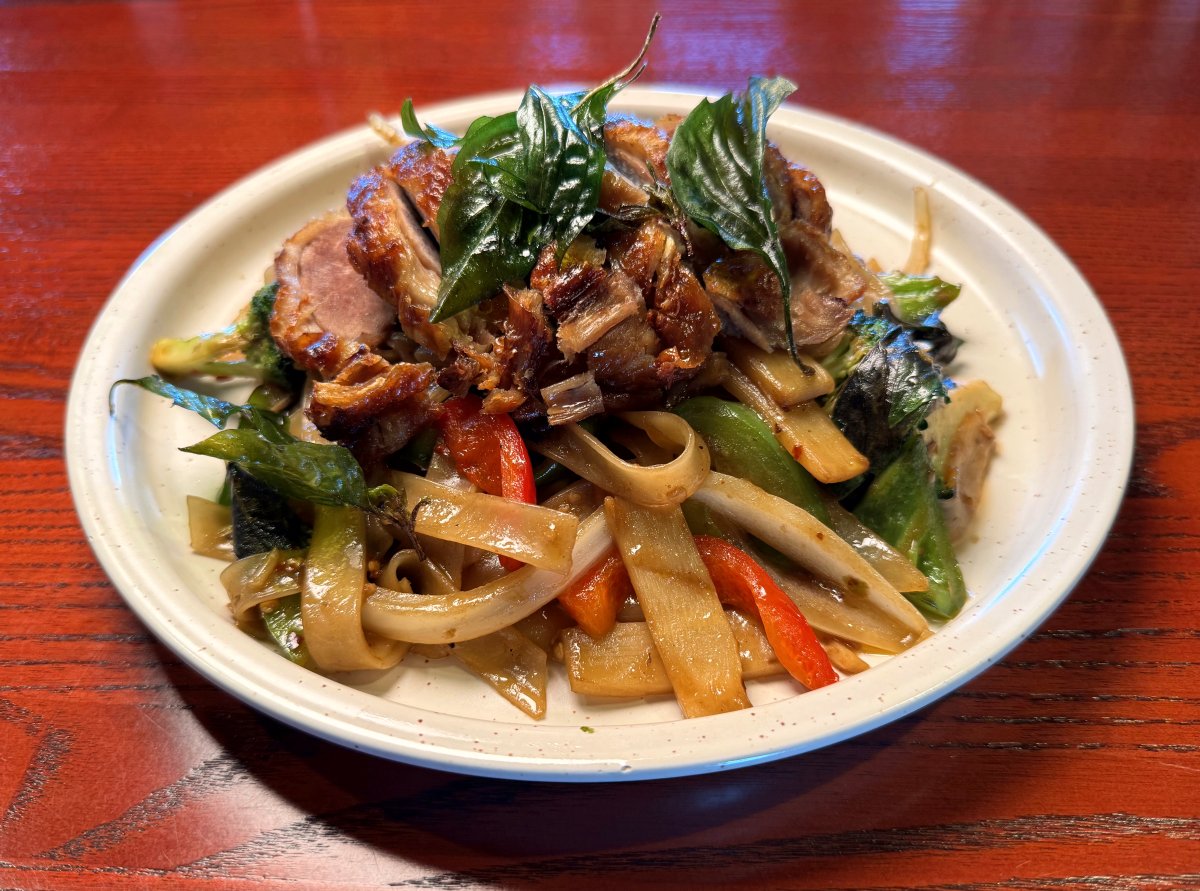
Drunken Noodles can be tricky to tame. The dish is supposed to have heat, but there is a big gap between pleasantly spicy and punishingly hot. If you have ever taken one bite and felt the chilies bulldoze everything else, you already know the problem. The sauce turns one-dimensional, the basil disappears, the sweetness feels flat, and the noodles stop tasting like noodles at all.
The good news is that reducing spice does not mean turning the dish bland. In fact, some of the best adjustments make Drunken Noodles taste more balanced, more aromatic, and more complete. The key is understanding what makes the heat feel aggressive in the first place, then softening it without diluting the character of the dish.
I have made this dish in home kitchens with fresh bird’s eye chilies, with chili paste, with jarred sauces, and with restaurant leftovers that were far too hot to enjoy. Every version behaves a little differently. Fresh chilies hit sharply and fade faster. Chili oil spreads heat evenly through the whole pan. Pre-made sauces often bring hidden sugar and salt, which changes how your fixes work. That is why there is no single trick that always solves the problem. There is, however, a reliable way to think about it.
What makes Drunken Noodles feel too spicy
When people say a noodle dish is too spicy, they usually mean one of two things. Either the actual chili level is too high, or the other flavors are too weak to stand up to it. Those are not the same problem, and they should not be treated the same way.
Traditional-style Drunken Noodles get much of their identity from a hot wok, broad rice noodles, savory sauces, garlic, and Thai basil. The chilies matter, but they are only one piece. If the noodles are under-sauced or the basil is skimpy, the heat takes over. If the sauce is all salt and no body, the spice feels harsher. If the pan is too dry, the chilies cling to the noodles in concentrated patches, which makes every other bite taste hotter than the last.
There is also the issue of timing. Heat tends to intensify while cooking, especially when crushed chilies fry in oil early on. A pan that tastes fine before the noodles go in can become much hotter two minutes later, once everything is coated. That catches a lot of cooks off guard.
So the goal is not simply to subtract spice. The goal is to rebuild balance.
Start by deciding whether you are fixing the pan or fixing the plate
A lot depends on where you are in the process. If the noodles are still in the wok or skillet, you have more control. You can stretch the sauce, adjust the sweet-savory ratio, and add bulk that absorbs heat. If the dish is already plated, or worse, if it is takeout, your options are narrower but still useful.
When the dish is still cooking, think in terms of redistribution. You want to spread the heat across https://waylonwpsc250.cavandoragh.org/quick-and-easy-drunken-noodles-with-chicken-and-vegetables-1 more noodles, more sauce, and more aromatic ingredients. When the dish is already done, think in terms of buffering. You want each bite to include something that interrupts the chili burn.
That distinction matters because many common fixes work beautifully in the pan and poorly at the table. Adding water to a plated bowl just creates a puddle. Adding it in the pan, with a little extra sauce, can rescue the entire dish.
The most reliable way to reduce heat without wrecking the flavor
If I had to pick one method that works most often, it would be this: add more noodles, a small splash of water, and a measured amount of sauce ingredients to match. This lowers the spice concentration while keeping the savory backbone intact.
The biggest mistake people make is adding plain noodles without adjusting anything else. That gives you pale, under-seasoned starch with random pockets of heat. The better move is to treat the extra noodles as a full extension of the original dish. If you add another handful of cooked rice noodles, add a little more soy-based seasoning, a touch of sweetener if you use one, and perhaps a few basil leaves at the end. Suddenly the dish tastes intentional again.
This is also the best fix for restaurant leftovers. Warm the noodles in a skillet, loosen with a tablespoon or two of water, then fold in freshly cooked rice noodles and a modest amount of sauce. Leftovers often intensify overnight because the sauce soaks into the noodles. A quick refresh gives you room to rebalance.
Why sweetness helps, and where it goes wrong
Sweetness is one of the oldest ways to soften heat, but it has to be handled carefully in Drunken Noodles. Too little does nothing. Too much turns the dish syrupy and muddled.
A small amount of sugar, palm sugar, or even a touch of brown sugar can round off the sharp edge of chilies. It does not erase capsaicin, but it changes how your palate perceives it. The dish starts feeling warmer rather than fiercer. This is especially useful when the heat comes from fresh chilies rather than from an oily chili paste.
The catch is that sweetness only works well when the savory side is strong enough to support it. If you add sugar to an already weak sauce, the noodles taste oddly sweet and still somehow too spicy. That is why sweetness should nearly always be paired with a little more umami. A splash of oyster sauce, soy sauce, or a mushroom-based seasoning can keep the balance grounded.
A practical rule from the stove is to think in fractions, not spoonfuls. For a standard two-serving pan, even half a teaspoon of sugar can make a visible difference. Start smaller than you think you need. It is easy to add another pinch. It is difficult to pull the dish back from candy-like sweetness.
Fat can soften heat, but only certain kinds help
Capsaicin binds to fat better than it does to water, which is why rich ingredients can mellow spicy food. But Drunken Noodles are not a cream sauce, and random richness can feel out of place.
The most natural fats here are the ones already at home in the dish. A little more oil in the pan can distribute the chili more evenly, which lowers those painful hot spots. If the protein is lean, adding slightly more egg can also help. An extra scrambled egg folded through the noodles gives the heat something soft and rich to cling to, without changing the dish beyond recognition.
What I would avoid is pouring in heavy cream or a lot of butter. Those ingredients may calm the heat, but they push the dish into a completely different direction. If you want a gentler finish that still feels compatible, consider serving the noodles with a fried egg on top. The runny yolk creates relief without making the pan taste Westernized or heavy.
Acidity is useful, but it is not a universal answer
Many cooks reach for lime when food is too spicy. Sometimes that works. Sometimes it backfires.
Acidity brightens flavor and can distract from heaviness, but it also sharpens edges. In a balanced pan of Drunken Noodles, a squeeze of lime can make the basil pop and wake up the sauce. In an already fiery pan, too much acid can make the chilies feel even more pointed. You get a brighter dish, not necessarily a milder one.
Use acid when the noodles taste flat, greasy, or over-sweet after your adjustments. Use it lightly. A few drops may be enough. Think of lime as a finishing correction, not as your main rescue strategy.
Rice vinegar can play a similar role, though it is usually less expressive than fresh lime. It can be useful if you want a softer acidity that blends into the sauce rather than sitting on top of it.
Basil does more than add fragrance
Thai basil often gets treated like garnish, but in Drunken Noodles it is structural. Its peppery sweetness and warm clove-like note create the aromatic lift that keeps the dish from feeling like pure soy and chili.
If your noodles are too spicy, adding a generous handful of basil near the end can genuinely help. Not because basil neutralizes capsaicin in a scientific sense, but because it restores complexity. The nose starts registering fragrance instead of only heat. That changes the eating experience more than people expect.
This is one reason restaurant versions can feel harsher than homemade. They often underuse basil, especially in takeout. By the time the container gets home, the herbs have wilted into the background, leaving sauce and chili front and center. A handful of fresh basil stirred into reheated leftovers can make the whole dish taste less punishing.
Vegetables are not just filler, they are a heat management tool
There is a practical kitchen truth here. The more surface area you give a spicy sauce to coat, the less intense it feels per bite. That is why adding vegetables is one of the cleanest ways to reduce spice without making the dish dull.
The best choices are vegetables that belong naturally in a stir-fry and that absorb sauce well. Onion, bell pepper, Chinese broccoli, bok choy, green beans, and mushrooms all work. Bell peppers are especially useful because they add sweetness and moisture at the same time. Onion gives bulk and aromatic sweetness. Mushrooms bring savory depth, which helps prevent that watered-down effect.
There is a trade-off. If you add too many watery vegetables, the sauce can turn loose and weak. The trick is to cook them hot and fast, then let the sauce reduce briefly before serving. You are trying to increase volume while keeping concentration in the right places.
Protein can dilute heat, but it needs seasoning support
Adding chicken, shrimp, tofu, or beef can help spread out the heat, especially if the original dish is noodle-heavy and protein-light. But plain extra protein often tastes disconnected unless you refresh the sauce too.
Tofu is particularly useful in a too-spicy pan because it absorbs sauce readily and carries flavor without adding more salt. Egg is another fast fix for similar reasons. Chicken works well if sliced thin and cooked separately, then tossed in. Shrimp is a little less forgiving because overcooking happens quickly during a rescue attempt.
If you are trying to salvage takeout, adding a scrambled egg and a few ounces of tofu is one of the fastest routes to a friendlier bowl. It takes ten minutes and usually tastes far more integrated than trying to wash down the spice with side dishes.
What to do when the dish is already finished
A cooked and plated bowl needs a different approach. You cannot really rebalance the whole pan anymore, but you can improve each bite.
Here are the most effective rescue moves:
- Stir in a small amount of freshly cooked noodles if you have them, then toss with a spoonful of sauce or a few drops of soy sauce and water.
- Add a fried or soft scrambled egg on top, which softens heat and makes the bowl feel fuller.
- Fold in fresh basil, bean sprouts, or lightly cooked vegetables to break up the chili concentration.
- Serve it with cucumber slices, plain rice, or a mild side dish that gives your palate relief between bites.
- If the bowl tastes harsh rather than simply hot, add a tiny pinch of sugar before trying anything acidic.
That last point surprises people. They often reach for lime first. But with aggressively spicy noodles, a little sugar is usually the calmer, safer correction.
How to fix takeout Drunken Noodles that are way too hot
Takeout is a category of its own. The noodles have usually steamed in the container, the herbs have faded, and the sauce has concentrated. A dish that was borderline in the restaurant can become much hotter by the time you open it at home.
The best fix is reheating in a skillet, not in a microwave. Heat lets you redistribute the sauce and gives you a chance to stretch it. Start with a teaspoon or two of neutral oil if the noodles are dry, then add the leftovers with a splash of water. Once they loosen, add either extra cooked noodles or vegetables, then reinforce with modest amounts of soy sauce, oyster sauce, and basil. Taste after each move.
If you only microwave, the chilies tend to stay concentrated where they were, and the texture gets gummy. A pan gives you control. Even five minutes is enough to turn a punishing takeout box into a dish that tastes deliberate.
One thing I do not recommend is rinsing the noodles. People sometimes try this when they are desperate, and while it can remove some surface chili, it also strips sauce, aroma, and texture. You end up with slippery, broken noodles that still taste oddly hot because the flavor balance is gone.
Common mistakes that make the dish blander, not better
A lot of bland Drunken Noodles are born from overcorrection. The cook senses too much heat and floods the pan with liquid, sugar, or random bulk. The spice drops, but so does everything else that made the dish worth eating.
These are the errors I see most often:
- Adding plain water without replacing lost flavor with sauce components.
- Using too much sugar, which masks heat briefly but flattens the savory profile.
- Dumping in dairy, which may cool the mouth but makes the dish taste unrelated to itself.
- Adding lots of noodles or vegetables without enough basil, garlic, or umami to support them.
- Correcting too late, after the chilies have already fried deeply into the oil and permeated every strand.
The last one is worth watching if you cook from scratch often. If you know your household prefers mild to medium heat, build less spice into the pan from the start and keep chili flakes or sliced fresh chilies on the side for anyone who wants more. It is far easier to add heat at the table than to subtract it after the wok has done its work.
If you are cooking from scratch, prevention is the smartest fix
The easiest way to make Drunken Noodles less spicy without losing flavor is not having to rescue them at all. That starts with how you build the dish.
Fresh bird’s eye chilies vary wildly in heat. One batch may be manageable, the next can feel explosive. If you are cooking for mixed tolerance levels, start with fewer chilies than a recipe suggests, especially if the recipe is vague about size or quantity. Thinly sliced chilies also distribute more evenly than roughly crushed ones, which means the heat feels integrated instead of spiky.
Another useful trick is separating aroma from fire. Briefly cook garlic and a small amount of chili in oil for fragrance, then rely on basil, oyster sauce, soy sauce, and a bit of sweetness to carry most of the flavor. You still get a recognizable Drunken Noodles profile, just with more room for the other ingredients to speak.
I also like to hold back some sauce until the end. If the pan tastes hotter than expected after the noodles go in, that reserved sauce gives me a way to rebalance without guessing. It sounds small, but it saves a lot of last-minute improvisation.
A mild version should still taste like Drunken Noodles
This is where many recipes miss the mark. They reduce chili and call it a day. The result is a bowl of sweet soy noodles with basil, which is not the same thing.
A milder but still satisfying version needs intensity from somewhere else. That usually means deeper browning in the pan, assertive garlic, enough basil to perfume the steam, and a sauce with a clear savory backbone. Heat is only one form of intensity. If you lose chili, you have to gain confidence elsewhere.
That is why broad rice noodles matter. Their chew gives the dish presence. That is why high heat matters, even in a home skillet. A bit of char and caramelization creates energy. And that is why a skimpy amount of basil leaves the dish feeling unfinished. When spice recedes, every other element has to pull harder.
I have fed mild Drunken Noodles to people who normally order them hot, and the versions they liked most were not the sweetest or the saltiest. They were the ones that still smelled right the moment the plate hit the table.
Judging your fix as you go
Taste after every meaningful change. Not every stir, but every change that affects balance. Add noodles, taste. Add sugar, taste. Add basil, taste. The sensation you are watching for is not just less pain. You want the flavors to separate again. You should be able to notice the basil, the sauce, the garlic, and the noodle texture instead of only the burn.
Also pay attention to delayed heat. Capsaicin can creep. A bite that seems mild at first may bloom ten seconds later. Give your palate a moment before deciding the dish still needs help.
If you overshoot and make it too mild, the easiest way back is usually fresh chili on the side. That is another reason restraint is wise. Restoring heat is simple. Restoring depth after a heavy-handed rescue is not.
The best mindset for balancing spice
Think like a cook, not like a firefighter. You are not trying to extinguish the dish. You are trying to bring it back into proportion.
For Drunken Noodles, that usually means increasing volume thoughtfully, strengthening the savory base, using sweetness with restraint, and letting basil do more work than most recipes ask of it. It means knowing when acid helps and when it sharpens the problem. It means respecting texture, because a watery or gummy fix is still a bad fix even if the spice is lower.
When handled well, a too-spicy pan can become a better one. The rescue forces you to build in the things that make the dish complete: aroma, body, chew, sweetness in the right amount, and enough sauce to coat every strand. Done that way, milder Drunken Noodles do not feel compromised. They just feel balanced, which is what most people wanted in the first place.
Nakhon Luang Thai Kitchen
Address: 805 Village Center Dr, Colorado Springs, CO 80919
Phone number: +17195315175
FAQ About Drunken Noodles
What makes it drunken noodles?
Drunken noodles, or Pad Kee Mao, get their name from the Thai word khi mao (meaning "drunkard"). They contain no alcohol. The name comes from the idea that the dish is a popular late-night meal to cure a hangover or a great food to eat with a cold beer.
What is the difference between pad see ew and drunken noodles?
While both Pad See Ew and Drunken Noodles use the same wide rice noodles, Pad See Ew is a mild, sweet-savory dish made with dark soy sauce and Chinese broccoli, whereas Drunken Noodles (Pad Kee Mao) are fiery, garlicky, and herbaceous with fresh chilies and Thai basil.
What are traditional drunken noodles?
Traditional drunken noodles, known as Pad Kee Mao in Thai, are a fiery, savory street food stir-fry made with wide flat rice noodles, fresh garlic, lots of hot chilies, meat or tofu, and fragrant holy basil. Despite the name, they contain no alcohol; the dish is traditionally eaten late at night or as a hangover cure because the intense spice helps clear the head.